_edited_edited.png)
Natural Hair Restoration: Lifestyle Habits That Support Your Treatment Results

Natural hair restoration is not just about what happens during your appointment. The way you care for your scalp, nourish your body, manage stress, and protect fragile hair can all support your treatment results over time.
At Whole Body Cleansing, hair restoration focuses on improving the scalp environment, strengthening hair follicles, reducing shedding, and supporting natural hair regrowth through a non-surgical, needle-free approach. Their treatment uses acoustic sound waves and gentle air pressure to deliver growth factors, peptides, and supportive nutrients directly to the scalp and hair follicles.
While treatment can play an important role, your daily habits help create the foundation for healthier-looking hair.
1. Follow Your Treatment Plan Consistently
Hair grows in cycles, which means results take time. Whole Body Cleansing notes that many patients benefit from three monthly treatments followed by maintenance sessions to sustain healthy hair growth.
Staying consistent with your recommended schedule allows each session to build on the last. Skipping appointments or stopping too early may make it harder to reach your full potential results.
2. Protect Your Scalp After Each Session
Aftercare is one of the simplest ways to support your treatment. Whole Body Cleansing recommends avoiding hair washing for 24 hours, avoiding heavy sweating or heat exposure for 24 hours, and avoiding chemical treatments for 72 hours after treatment.
That means giving your scalp a break from:
Hot yoga or intense workouts
Saunas or excessive heat
Hair color, bleach, perms, or relaxers
Heavy styling products
Aggressive brushing or scalp scrubbing
These small steps help keep the scalp clean, calm, and ready to respond.
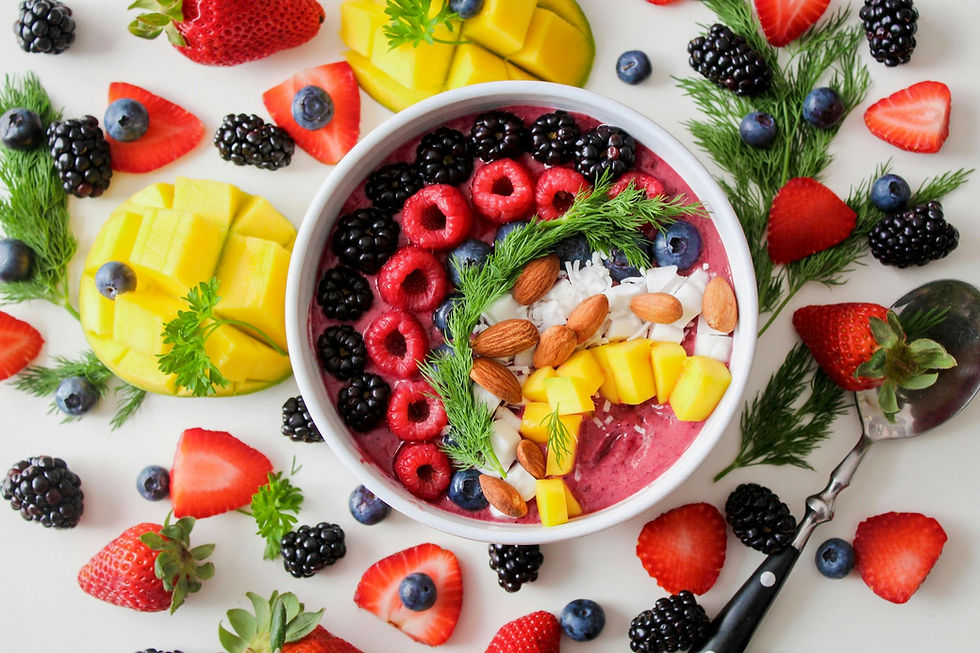
3. Prioritize Protein and Nutrient-Dense Foods
Hair is made largely of protein, so nutrition matters. Not getting enough key nutrients, including protein and iron, can contribute to hair loss. Eating too few calories can also trigger significant shedding.
Focus on whole, nutrient-rich foods such as:
Lean protein
Eggs
Beans and lentils
Fish
Leafy greens
Nuts and seeds
Colorful fruits and vegetables
Whole grains
Supplements may be helpful if you are deficient, but they are not always harmless. The American Academy of Dermatology cautions that too much of certain nutrients can worsen hair loss, and Harvard Health notes that not all hair supplements are helpful.
4. Manage Stress Before It Shows Up in Your Hair
Stress and hair loss can be connected. Mayo Clinic explains that significant stress can push large numbers of hair follicles into a resting phase, causing shedding months later. Cleveland Clinic also identifies psychological stress, illness, surgery, childbirth, thyroid changes, and restrictive diets as possible triggers for telogen effluvium, a temporary form of hair shedding.
Stress support does not need to be complicated. Start with habits such as:
Daily walks
Deep breathing
Gentle movement
Journaling
Consistent sleep
Time away from screens
Regular wellness appointments
Lowering stress supports more than your hair. It also supports your overall health and recovery.
5. Get Enough Sleep
Sleep gives the body time to repair, regulate stress, and restore energy. Cleveland Clinic recommends that most adults get seven to nine hours of sleep per night and notes that adequate sleep can help reduce stress.
A simple sleep routine can make a big difference:
Keep a consistent bedtime
Avoid screens close to bed
Limit late caffeine
Keep your room cool and dark
Build in relaxing nighttime rituals
6. Be Gentle With Your Hair
Thinning hair is often more fragile. The American Academy of Dermatology recommends using a gentle shampoo, applying conditioner after washing, using leave-in conditioner or detangler, and reducing blow-drying time with a microfiber towel.
AAD also recommends choosing products based on your hair type, applying shampoo mainly to the scalp, conditioning the hair, detangling gently, and protecting hair from excessive heat.
Small changes can help reduce unnecessary breakage while your scalp and follicles are being supported through treatment.
7. Avoid Tight Hairstyles and Excessive Heat
Tight ponytails, buns, braids, extensions, and styles that pull on the scalp can contribute to traction alopecia. Mayo Clinic and the American Academy of Dermatology both note that hairstyles pulling on the hair can lead to hair loss, and repeated tension may become permanent over time.
Heat can also weaken fragile hair. Try to limit flat irons, curling irons, hot rollers, and high-heat blow-drying, especially while working toward fuller, healthier-looking hair.
8. Do Not Ignore Sudden or Patchy Hair Loss
A natural hair restoration plan should still be grounded in good health awareness. If your hair loss is sudden, patchy, painful, itchy, or more than usual when brushing or washing, Mayo Clinic recommends speaking with a doctor because sudden hair loss may signal an underlying condition that needs treatment.
Whole Body Cleansing’s consultation can help determine whether their non-surgical hair restoration option is aligned with your goals, but medical evaluation may still be appropriate depending on your symptoms.
Final Thoughts
The best hair restoration results come from a combination of professional treatment and consistent lifestyle support. By nourishing your body, protecting your scalp, managing stress, following aftercare instructions, and staying consistent with your treatment plan, you create a stronger foundation for healthier-looking hair.
Want help creating a hair restoration plan that fits your goals and lifestyle? Contact Whole Body Cleansing today for more information or to schedule a personalized consultation.


Comments